Mastering Marketing Agency Social Media Banners for Better Branding
Imagine scrolling through your feed. You see a post from a brand you follow. The colors are dull, the text is hard to read, and the layout feels cluttered. You scroll right past it. Now imagine another post. It’s clean, the typography is sharp, and the message pops off the screen. You stop, you read, maybe you even click. That difference often comes down to one powerful tool: a high-quality social media banner template. For agencies and businesses managing multiple accounts, having a reliable, editable template isn't just a luxury—it's a necessity for maintaining a professional and consistent brand presence.
Why a Professional Template is Your Secret Weapon
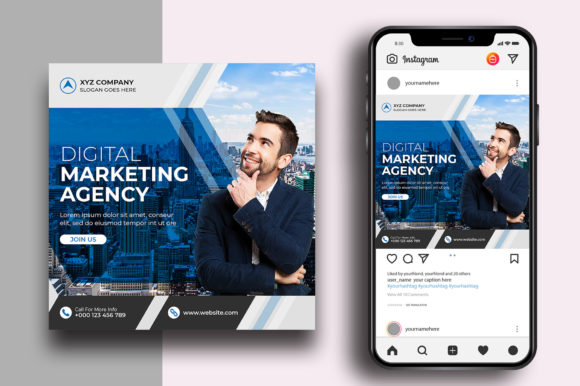
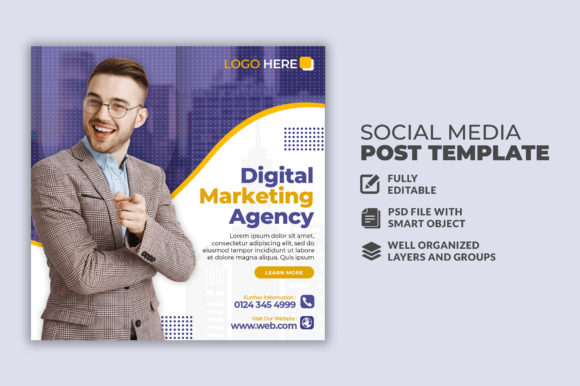
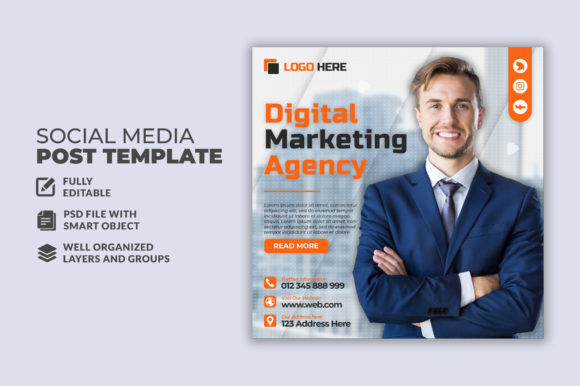
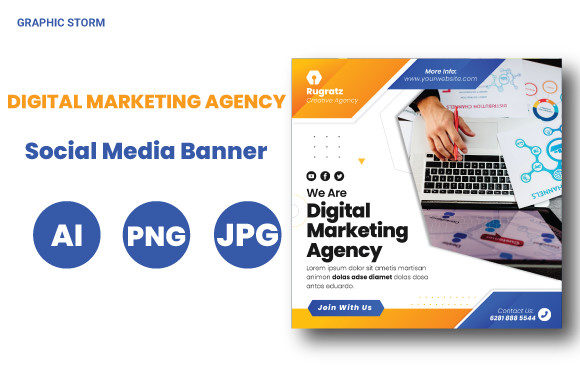
A well-crafted Marketing Agency Social Media Banner serves as the digital storefront for your campaigns. It’s the first visual handshake with your audience across platforms like Facebook, LinkedIn, and Instagram. Consistency in these visuals builds brand recognition. When a follower sees your signature color palette, font style, and layout repeatedly, they start to associate those elements with your business. This repetition builds trust. A template ensures that every team member—from a junior designer to a marketing manager—can produce on-brand assets quickly, without sacrificing quality or spending hours on design from scratch.
The real value of a template like this lies in its structure. It’s not just a pretty picture; it’s a system. With meticulously organized and labeled layers, you can easily swap out text, change images, and adjust colors to fit different campaigns. This saves an enormous amount of time. Think about launching a new product. Instead of briefing a designer and waiting for drafts, your team can pull up the template, customize it with the new offer details, and have a professional-looking banner ready for ad campaigns in minutes. This agility is crucial in the fast-paced world of digital marketing.
From Digital Ads to Tangible Brand Assets
While the name suggests a focus on social media, the applications of a versatile template extend far beyond your feed. The clean, modern aesthetic of a well-designed banner template can be repurposed for a variety of marketing and branding materials. Consider using the same visual framework for your email newsletter headers to create a cohesive experience for subscribers. The design elements can inspire the look of your blog post graphics, ensuring your written content is as visually engaging as your social posts.
Furthermore, the principles of good design within the template translate perfectly to print. The same layout that works for a LinkedIn banner can be adapted for a trade show poster or a flyer. The high-resolution AI files ensure that your graphics look crisp and professional, whether viewed on a smartphone screen or printed at a large scale. This kind of versatility makes a single, well-designed template a cornerstone of your entire brand identity toolkit, helping to unify your message across every customer touchpoint.
Key Features That Make Editing Seamless
Before you dive in, it's important to note that a template is only as good as your ability to edit it. This particular social media template is built for Adobe Illustrator, which means you'll need a basic familiarity with the software to make changes. However, the features are designed to make that process as smooth as possible.
- Easy Customization: The layers are fully customizable, allowing you to change text and swap images without breaking the design. This is perfect for A/B testing different headlines or visuals in your marketing campaigns.
- Professional Typography: It uses Google Fonts, which are free for commercial use. This eliminates licensing headaches and ensures your typography looks sharp and modern.
- Perfect Dimensions: The 1500 x 1500 pixel size is optimized for most social media platforms, ensuring your banners look great without awkward cropping or pixelation.
- Organized Workflow: Meticulously labeled layers mean you won't waste time hunting for the right element to edit. This organization is a huge time-saver, especially for teams.
Practical Tips for Implementation and Brand Cohesion
Simply having a template isn't enough; using it effectively is what sets a strong brand apart. Start by aligning the template with your existing brand guidelines. Input your exact brand colors, not just similar shades. Use your primary and secondary brand fonts if they differ from the template's defaults. This initial setup is a one-time task that pays dividends in consistency later.
When creating content, think about hierarchy. Use the template's structure to guide the viewer's eye. The most important information—like a promotion or event date—should be the most prominent. Use the provided font styles to create contrast between headlines and body copy. Test how your text looks against different background images. A busy photo can make text hard to read, so consider using a semi-transparent overlay or choosing a simpler image. Always preview your banner on a mobile device, as most social media traffic comes from phones. If the text is illegible on a small screen, your message will be lost.
For agencies, this approach streamlines client work. Instead of building every asset from the ground up, you can present clients with a suite of cohesive visuals based on a proven template. This demonstrates professionalism and can significantly speed up the approval process. It also allows for easy scaling. If a client needs a last-minute banner for a flash sale, your team can deliver it in record time, strengthening your agency's reputation for reliability and quality. Investing in a robust, editable social media template is an investment in your brand's efficiency and visual impact.