Digital Marketing Post Design: Templates for Brand Consistency
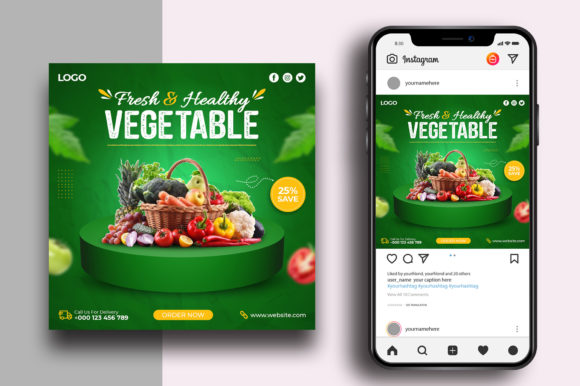
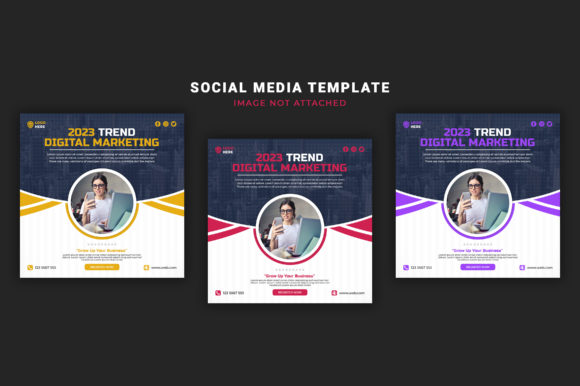
That familiar scroll-stopping moment when a brand’s social media post just works—the colors pop, the message is clear, and it feels unmistakably them. That’s not an accident; it’s the result of thoughtful digital marketing post design. For small business owners and content creators, achieving this level of visual cohesion can feel daunting, especially when you’re juggling a dozen other tasks. The secret often lies not in starting from scratch each time, but in having a reliable, adaptable template system. A well-structured template, like a 1080×1080 pixel layered PSD file, becomes the foundational grid upon which consistent, professional brand storytelling is built.
Beyond a Pretty Picture: The Anatomy of an Effective Post
A compelling digital marketing post design is more than just an attractive image with text overlay. It’s a strategic piece of visual communication. At its core, it must balance aesthetic appeal with functional clarity. The best templates are designed with this duality in mind. They feature a well-organized layer structure in Photoshop, allowing you to easily swap out background images, adjust color schemes to match your brand palette, and—most importantly—edit every single piece of text with the text tool. This full editability is what transforms a static template into a dynamic brand asset.
Consider the practical workflow. Instead of debating font choices and layout proportions for every Instagram story or Facebook ad, you start with a proven framework. This saves hours of design time and eliminates the visual inconsistency that can confuse your audience. When every post, from a product launch announcement to a customer testimonial, shares a common visual language—consistent margins, a defined typographic hierarchy, and a cohesive color story—it reinforces your brand identity subconsciously. Your followers begin to recognize your content instantly in a crowded feed, which is a powerful step toward building brand recognition.
The Typography Factor: Choosing Fonts That Speak Your Brand
Typography is the voice of your design. A template that uses a premium, free-for-commercial-use font gives you a significant head start. But the real power comes from understanding how to choose and pair typefaces effectively. The style of font you select should mirror your brand’s personality. A modern sans serif font feels clean, approachable, and contemporary—ideal for tech startups or lifestyle brands. A classic serif font conveys tradition, authority, and elegance, often used by law firms, luxury goods, or editorial blogs. For brands aiming for a personal, artisanal, or feminine touch, a script or handwritten font can add warmth and character.
When working with a template, take the time to review the included font styles. Does the primary heading font have enough weight to command attention? Is the body text font legible at smaller sizes on mobile screens? A common pitfall is choosing a highly decorative display font for paragraph text, sacrificing readability for style. Your template should guide you toward sensible pairings—for example, a bold sans serif for headlines paired with a clean, readable sans serif or serif for body copy. Always test these pairings within the template’s layout to ensure they work harmoniously and maintain a clear visual hierarchy.
From Template to Toolkit: Practical Applications Across Your Brand
The true value of a versatile digital marketing post design template is its chameleon-like ability to adapt to numerous projects. Its utility extends far beyond social media graphics. Let’s break down how a single, well-designed template system can serve as a cornerstone for various marketing and branding assets.
- Social Media & Advertising: The primary use case. Create a consistent stream of content for Instagram posts, Facebook ads, Pinterest pins, and LinkedIn announcements. The 1080×1080 pixel dimension is optimized for square feed posts across platforms.
- Brand Identity Reinforcement: Use the template’s design elements—its shapes, color blocks, and layout patterns—to inspire other materials. This visual DNA can inform the design of your website banners, blog graphics, email newsletter headers, and even the packaging for your products.
- Digital & Print Marketing Assets: Adapt the template for digital flyers, webinar promotional banners, or e-commerce sale announcements. With careful adjustment, the same layered file can be resized for print materials like posters, postcards, or point-of-sale displays, ensuring your branding is seamless online and offline.
- Content Creation Efficiency: For bloggers and content creators, templates are a lifesaver. Quickly generate featured images for blog posts, promotional graphics for new YouTube videos, or quote cards that drive engagement. The “easy to customize” nature means you can produce professional-looking assets in minutes, not hours.
Making It Work for You: A Practical Guide to Customization
Having a powerful template is one thing; using it effectively is another. Here’s how to move from downloading a PSD file to creating polished, on-brand content. First, establish your brand’s color palette within the template. Replace the placeholder colors with your specific hex codes to ensure every post is instantly recognizable. Next, lock in your primary and secondary fonts. Upload them to your system and practice editing the text layers. The goal is to make the template feel like your own studio’s blank canvas.
Pay close attention to the image placement. Since stock images are not included, you’ll need to source high-quality, relevant photos or graphics. Learn how to use clipping masks or smart objects in Photoshop to seamlessly integrate your visuals into the template’s designated areas. This maintains the design’s integrity while making it uniquely yours. Finally, think about scalability. Can you create a series of posts from one template by simply changing the headline and image? This approach builds a cohesive campaign look, making your marketing efforts appear more strategic and professional.
Ultimately, a well-crafted template is an investment in your brand’s visual efficiency and consistency. It removes the guesswork from design, allowing you to focus on your message and your audience. By leveraging a fully editable, layered PSD template, you equip yourself with a versatile design asset that can elevate everything from your daily social media posts to your broader brand identity, ensuring that every pixel communicates the professionalism and personality you’ve worked hard to build.